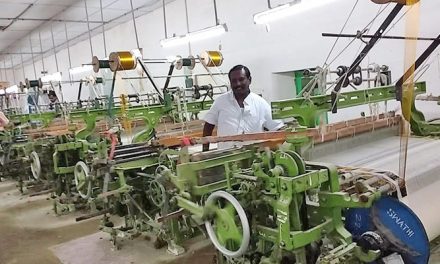

The blanket market has evolved significantly over the past decade. What was once considered a seasonal household necessity has become a year-round product category influenced by changing consumer lifestyles, hospitality standards, sustainability goals, and retail expectations. For manufacturers and exporters, this shift has raised the bar for quality, consistency, and innovation.
From conversations with international buyers, one thing has become increasingly clear: purchasing decisions today extend well beyond price. Retailers, importers, and private-label brands are evaluating durability, fabric performance, production capability, and supplier reliability before placing large-volume orders. Understanding these priorities is becoming essential for every participant in the textile supply chain.
Why Blanket Quality Begins Before Production
Blanket quality is often judged by its appearance on the shelf, but experienced sourcing professionals know that the real work starts much earlier. Fibre selection, yarn quality, weaving or knitting construction, dyeing methods, and finishing processes collectively determine how a blanket performs after repeated use and washing.
A blanket that initially feels soft may lose its texture if inferior fibres or inconsistent finishing techniques are used. Likewise, uneven dye penetration or poor stitching may not be visible during inspection but can quickly become customer complaints after purchase.
From our experience working with international buyers, pre-production discussions about intended usage often prevent costly manufacturing mistakes later in the process.
Instead of selecting materials solely based on cost, successful suppliers evaluate how the blanket will perform in different climates, washing conditions, and end-user environments.
Meeting the Expectations of Different Market Segments
Blankets are no longer designed for a single type of customer. Retail chains, hotels, healthcare institutions, promotional brands, and e-commerce businesses all have distinct expectations.
Hospitality buyers often prioritise wash durability, colour retention, and consistent sizing across every shipment. Retail brands may focus more heavily on appearance, softness, and attractive packaging. Premium home furnishing brands frequently seek unique textures, decorative finishes, or sustainable fibre options that differentiate their collections.
This growing diversity means manufacturers must offer flexibility without compromising production efficiency.
One noticeable industry trend is the increasing demand for customisation. Buyers are requesting exclusive colours, woven patterns, branded labels, and private-label packaging rather than purchasing standard catalogue products. Suppliers capable of managing these custom requirements efficiently are creating stronger long-term business relationships.
Industry Insight: Consistency Has Become More Valuable Than Low Prices
While pricing remains important, many experienced importers now view production consistency as a stronger indicator of supplier value.
We have observed that buyers are increasingly willing to continue working with suppliers who consistently meet agreed specifications, even when market prices fluctuate slightly.
Unexpected variations in GSM, dimensions, stitching quality, or colour shades create downstream problems that affect retail inventory, customer satisfaction, and brand reputation. Reliable manufacturing systems, documented quality controls, and transparent communication have therefore become competitive advantages.
For exporters, investing in process control often delivers greater long-term value than competing solely on manufacturing costs.
Sustainability Is Moving from Marketing to Purchasing Criteria
Environmental responsibility has gradually shifted from being a promotional message to becoming part of buyer qualification.
Many purchasing teams now ask practical questions regarding raw material sourcing, responsible dyeing practices, production waste management, and packaging alternatives. While certification requirements vary across markets, buyers increasingly appreciate suppliers who can clearly explain their manufacturing practices.
This does not necessarily require expensive investments overnight. Incremental improvements such as reducing unnecessary packaging, improving fabric utilisation during cutting, and adopting efficient production planning can positively influence purchasing decisions.
In today’s competitive textile market, sustainability is becoming closely linked with operational efficiency rather than simply brand image.
A Small Change That Delivered Better Results
A home textile retailer preparing for a winter collection initially requested a standard blanket specification commonly used across several product lines. During sampling discussions, both teams reviewed the intended customer profile and identified opportunities to improve the product.
Rather than increasing weight significantly, the manufacturer suggested refining the fabric construction and enhancing the finishing process to achieve a softer hand feel while maintaining durability. The retailer also introduced improved product presentation with clearer care instructions.
The final collection received positive customer feedback for comfort and perceived quality without substantially increasing production costs. This example illustrates how collaborative product development often creates better commercial outcomes than simply following standard specifications.
Why Communication Shapes Successful Export Partnerships
Manufacturing expertise alone is no longer enough to build long-term export relationships. Buyers increasingly value suppliers who communicate clearly throughout the sourcing process.
Sharing realistic production timelines, discussing technical limitations openly, and providing regular updates help reduce uncertainty for purchasing teams. Transparency during sampling, quality inspections, and shipment planning strengthens confidence and allows both parties to resolve challenges before they become larger issues.
In our opinion, successful blanket sourcing is rarely determined by finding the cheapest supplier. It is built on consistent communication, predictable quality, and a willingness to solve problems together.
As global competition continues to increase, manufacturers that combine technical capability with collaborative customer support will remain better positioned to serve evolving international markets.
Looking Ahead
Consumer expectations within the home textile sector continue to evolve alongside retail formats and sustainability priorities. Blankets are increasingly expected to deliver comfort, durability, visual appeal, and responsible manufacturing in a single product.
For textile manufacturers and exporters, this presents an opportunity to move beyond commodity production and become strategic partners in product development. Buyers are seeking suppliers who understand market requirements, invest in quality systems, and remain responsive throughout the sourcing journey.
Ultimately, long-term success in blanket manufacturing depends less on producing large quantities and more on consistently delivering products that meet real customer expectations across every shipment.
Jenny is part of ECC Exports, an Indian exporter specializing in scarves, stoles, and textile accessories for global buyers. With experience supporting international sourcing requirements and private-label manufacturing, Jenny shares practical insights on textile production, quality, and global trade. Learn more at https://www.eccexports.com.