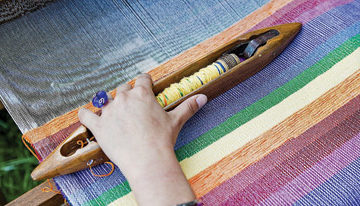
From innovation to tradition, from technical performance to expressive design: the 87 exhibitors at Proposte 2026 outline the key directions shaping contemporary furnishing textiles. Through fibres, technologies and aesthetics, several recurring themes emerge, reflecting a market that increasingly combines functionality, responsibility and creativity.
Performance at the Core
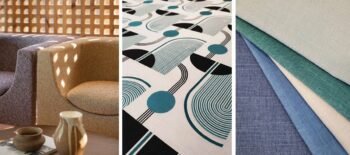
Technical qualities and functional performance are no longer limited to the contract sector: they are becoming equally relevant in residential interiors. Durability, easy maintenance and certified flame-retardant properties remain key priorities, alongside innovations that enhance comfort and wellbeing. New fibres and finishing technologies allow fabrics to integrate antibacterial and air-purifying qualities, acoustic performance and even olfactory properties, creating textiles that actively contribute to healthier and more comfortable spaces.
Responsible Fabrics
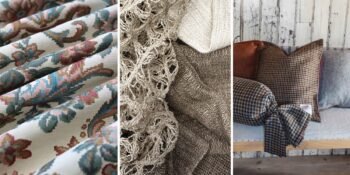
Sustainability continues to shape the industry, increasingly interpreted as a broader responsibility towards nature and supply chains. Exhibitors highlight the importance of traceability and fibre origin, with growing interest in natural materials such as wool alongside recycled or regenerated fibres and certified products. The progressive move away from PFAS and the attention to local sourcing further reflect a more conscious and transparent approach to textile production.
Nature as Inspiration
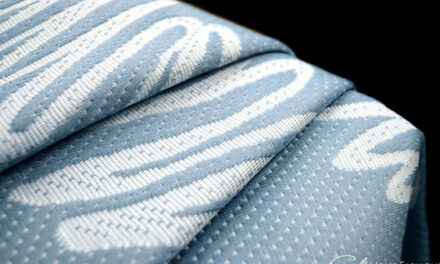
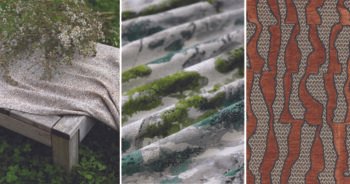
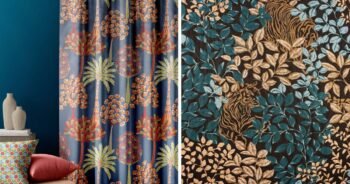
Nature emerges as a strong aesthetic reference, influencing colours, patterns and the overall mood of collections. Earthy tones, warm palettes and motifs inspired by flora and rural landscapes evoke a timeless sense of harmony. Small decorative prints coexist with more expressive statement designs, often drawing on historical references and reinforcing the connection between contemporary creativity and the heritage of textile manufacturers.
Technology Enabling Creativity
Advances in textile technology, particularly in digital printing, are expanding the possibilities of design. Increasingly sophisticated techniques allow for richer textures, more complex constructions and greater colour depth. At the same time, these technologies enable higher levels of customization, encouraging designers to move beyond standardized collections towards more expressive and distinctive textile solutions.
Blurring Boundaries: Indoor Meets Outdoor
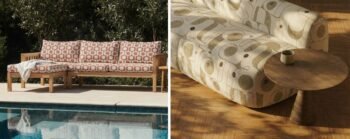
The traditional distinction between indoor and outdoor textiles is becoming less defined. Highperformance outdoor fabrics now replicate the softness and visual refinement of indoor materials, while residential interiors increasingly demand the technical qualities typical of contract environments. As a result, textiles are designed to adapt to hybrid spaces where aesthetics, comfort and durability coexist.